Transform Your Body with Nutritious Foods for Successful Dieting
Discover the science-backed healthy foods that fuel weight loss, boost energy, and create lasting habits. Your complete guide to nutritious eating starts here.
Visual Guide to Healthy Diet Foods
Explore the best nutritious options for your weight loss journey
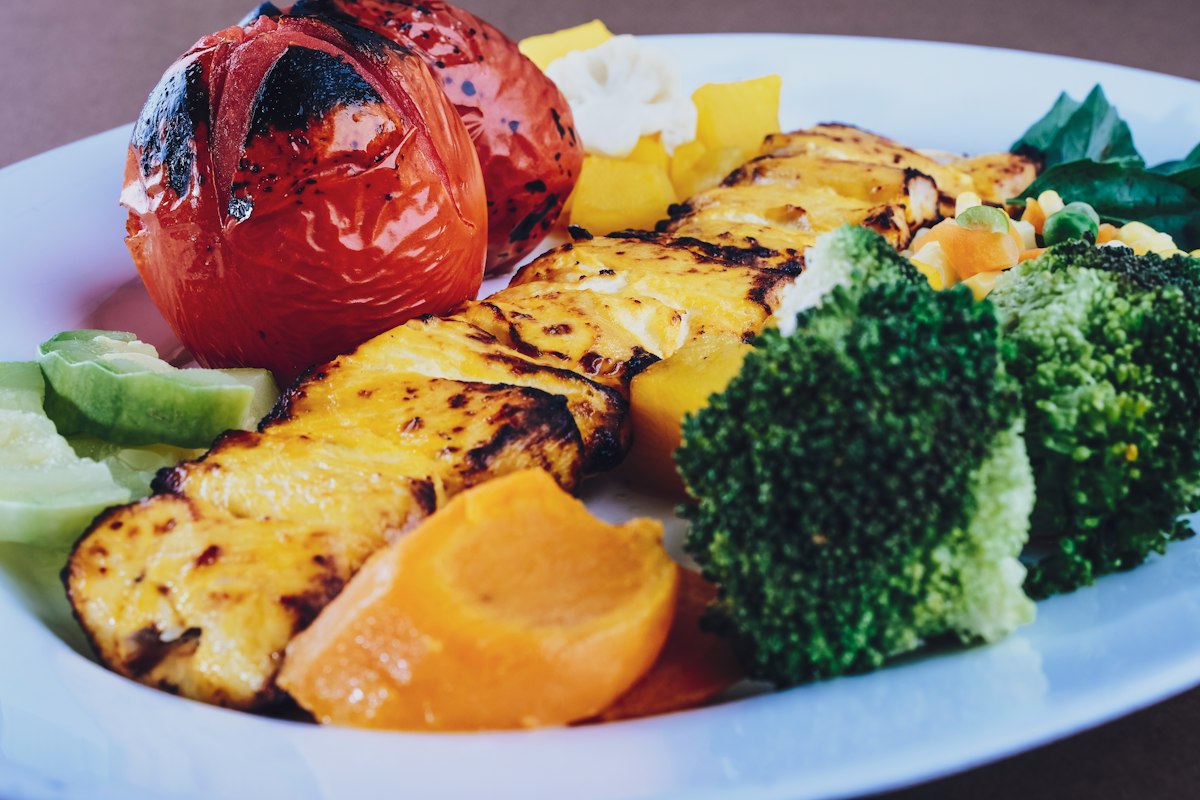
Lean Proteins
Chicken breast, turkey, and fish are excellent sources of protein that keep you satisfied longer while supporting muscle development during weight loss.
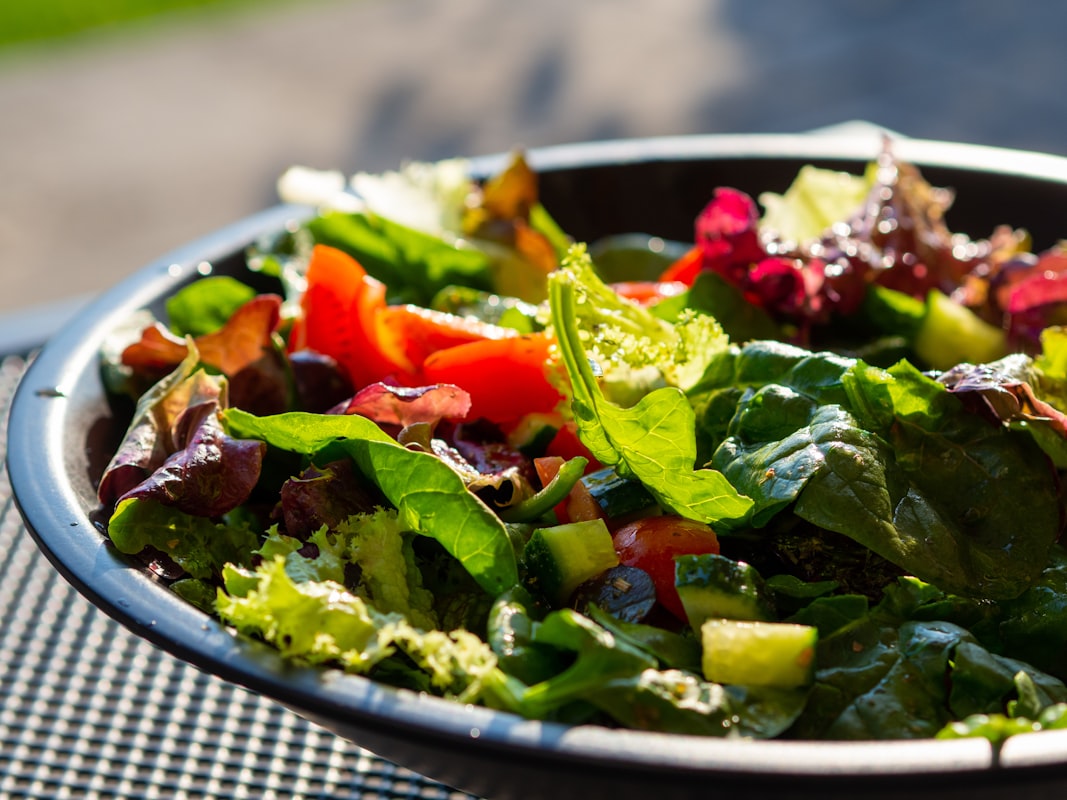
Fresh Vegetables
Leafy greens, broccoli, and bell peppers are low-calorie powerhouses packed with vitamins, minerals, and fibre for optimal nutrition.
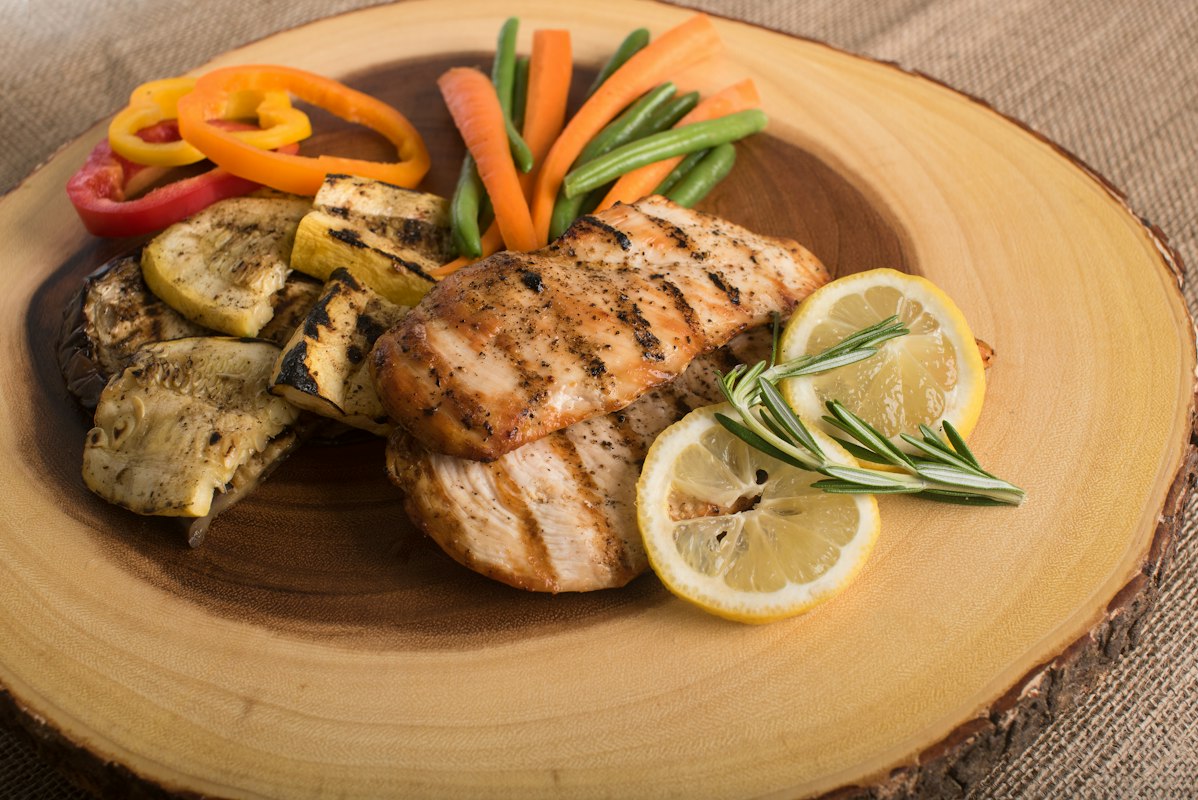
Whole Grains
Oats, brown rice, and quinoa provide sustained energy and fibre, helping you feel full while maintaining stable blood sugar levels.
Why These Foods Work for Weight Loss
Understanding the science behind nutritious eating
Higher Thermogenesis
Protein-rich foods require more energy to digest, naturally increasing your metabolic rate and calorie burn throughout the day.
Extended Satiety
Fibre and protein create longer-lasting fullness, reducing overall calorie intake and eliminating unnecessary snacking between meals.
Nutrient Density
Whole foods deliver essential vitamins and minerals in fewer calories, supporting your body's natural functions and energy levels.
Sustainable Energy
Balanced nutrition prevents energy crashes and cravings, making your diet plan easier to follow and more enjoyable long-term.
5-Step Guide to Building Your Perfect Diet Plan
Follow this proven framework for lasting nutrition success
Assess Your Current Eating Habits
Take time to document what you eat daily for one week. This creates awareness of portion sizes, calorie intake, and eating patterns without immediate judgement. Understanding your baseline helps you identify which foods to replace and which to keep.
Choose Your Foundation Foods
Select a range of lean proteins, colourful vegetables, whole grains, and healthy fats. Create a shopping list based on these core foods and commit to meal prep. Having nutritious options readily available removes barriers to healthy eating.
Plan Your Meals Around Protein
Build each meal with a quality protein source as the anchor, then add vegetables and whole grains. This approach ensures balanced macronutrients and maximises satiety, making it easier to stick to your calorie goals.
Practice Portion Control Without Restriction
Use simple visual guides—a palm-sized portion of protein, a fist of vegetables, a cupped handful of grains. This method avoids obsessive calorie counting while maintaining balance. Remember, consistency matters more than perfection.
Track Progress and Adjust Gradually
Monitor energy levels, hunger patterns, and physical changes every two weeks. Make small adjustments to portion sizes or food choices based on real results. Sustainable progress comes from listening to your body and refining your approach over time.
Top Healthy Foods by Category
Nutrient-dense options for every meal and snack
Chicken Breast
Lean protein with minimal fat. Versatile for grilling, baking, or shredding. Contains B vitamins for energy metabolism. Excellent for muscle maintenance during weight loss.
- 165 calories per 100g
- 31g protein per 100g
- Low in saturated fat
Spinach
Dark leafy green packed with iron and antioxidants. Low in calories but high in nutrients. Great raw in salads or cooked in meals. Supports energy and metabolism.
- Only 23 calories per 100g
- Rich in iron and magnesium
- High fibre content
Salmon
Oily fish rich in omega-3 fatty acids and high-quality protein. Supports heart and brain health. Keeps you satisfied for hours. Delicious baked or grilled.
- 206 calories per 100g
- 22g protein per 100g
- Omega-3 fatty acids
Broccoli
Cruciferous vegetable loaded with vitamins C and K. Supports immune function and digestion. Low-calorie, high-volume option for satisfying meals without excess calories.
- 34 calories per 100g
- Excellent fibre source
- Anti-inflammatory compounds
Oats
Whole grain breakfast staple with soluble fibre that aids digestion. Keeps you full until lunch. Supports healthy cholesterol levels. Endlessly customisable with toppings.
- 389 calories per 100g
- 17g protein per 100g
- Beta-glucan fibre
Eggs
Complete protein source with all essential amino acids. Affordable and quick to prepare. Boiled, scrambled, or baked—fits any meal. Choline supports brain health.
- 155 calories per large egg
- 13g protein per egg
- Nutrients across all vitamins
Real Success Stories from Our Community
Readers share their transformation and nutrition insights
"I started following the Lean Protein Meal Plan's nutritional guidelines and in just three months, I lost significant weight without feeling deprived. Individual results may vary. The food recommendations were practical and delicious. I've learned to cook in new ways and now my family enjoys these meals too. This isn't a diet—it's a complete lifestyle shift that actually works."
Sarah Mitchell
Manchester, UK
"The food categories guide helped me understand which proteins to prioritise and how to balance my meals. I've maintained my weight loss for six months now. The recipes here are straightforward and budget-friendly. Highly recommend for anyone serious about changing their relationship with food."
James Chen
Birmingham, UK
"As someone with a busy schedule, I appreciate how practical these food suggestions are. No complicated recipes or rare ingredients. My energy levels have improved significantly, and I feel stronger at the gym. This approach makes dieting sustainable for real life."
Emma Rodriguez
Leeds, UK
"I've tried many diet plans, but this one is different because it focuses on whole foods, not restriction. The step-by-step guide was easy to follow, and I actually enjoy cooking now. Lost significant weight in two months and I'm not counting every calorie obsessively."
David Thompson
London, UK
Common Questions About Diet Foods
Get answers to your top nutrition questions
Most fitness and nutrition experts recommend consuming 0.7 to 1.0 gram of protein per pound of body weight when dieting. For a 150-pound person, this equates to 105–150 grams daily. Protein serves multiple purposes: it increases satiety, supports muscle retention, and requires more energy to digest than carbohydrates or fat, thereby slightly boosting your metabolic rate.
Start with 100–120 grams if you're new to higher protein intake, then adjust based on your hunger levels and energy. Distribute your protein evenly across all meals for optimal results.
Stay Updated with Nutrition Tips
Subscribe to our newsletter for the latest articles on healthy eating and diet strategies.
We respect your privacy. Unsubscribe anytime.
Start Your Healthy Journey Today
Explore our comprehensive guides and articles on nutritious eating. Learn practical strategies to transform your diet and build lasting habits for sustainable weight loss and energy.